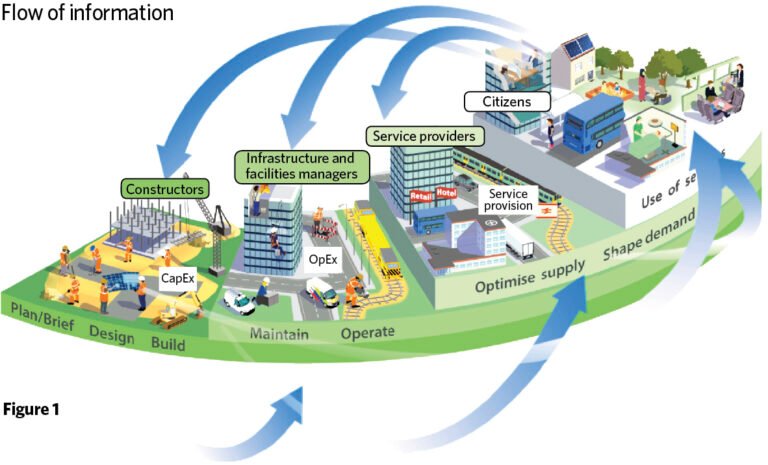

In the rapidly evolving landscape of construction and infrastructure development in the UAE, Building Information Modeling (BIM) Infrastructure emerges as a transformative technology that integrates digital representations of physical and functional characteristics into the planning, design, construction, and management of large-scale projects such as roads, bridges, utilities, and energy systems.

BIM Infrastructure extends beyond traditional building design, focusing on complex systems like transportation networks, electrical grids, and renewable energy installations. It enables stakeholders to visualize, simulate, and optimize projects with unprecedented accuracy. For licensed contractors like Orbit Training, specializing in electrical and solar solutions, BIM Infrastructure is pivotal in ensuring seamless integration of electrical components and solar panels into broader infrastructure frameworks, while adhering to DEWA, SEWA, and ADDC regulations.
By emphasizing transparency and education, BIM Infrastructure empowers project teams to deliver sustainable, efficient outcomes that align with the UAE’s Vision 2031 for smart cities and green energy.
BIM Infrastructure applies Building Information Modeling techniques to civil and infrastructure projects, creating intelligent 3D models that encapsulate the physical, functional, and operational aspects of assets like highways, utilities, electrical networks, and solar farms.
For Orbit Training, BIM enables precise modeling of cable routing, substation layouts, and solar array placements to ensure compliance with UAE regulations. Benefits include cost savings, safety enhancements through hazard simulation, and environmental resilience.
In electrical infrastructure, BIM provides a comprehensive digital twin of electrical systems, enabling engineers to model complex networks, prevent conflicts, and optimize performance.
For Orbit Training, BIM ensures safe, compliant designs aligned with DEWA and SEWA standards, incorporating features like fault tolerance and emergency shutdowns. In solar-integrated systems, BIM optimizes panel orientation, predicts maintenance needs, and enhances safety through simulations.
Integrating BIM into solar energy projects transforms photovoltaic installation design by simulating performance, shading, and grid connectivity to ensure maximum efficiency and compliance.
Orbit Training aligns BIM-based solar projects with DEWA connection guidelines, maximizing energy yield and ensuring safe system designs. Benefits include faster approvals, reduced costs, and increased project transparency.
Orbit Training uses BIM for transparent, safety-led designs vetted against DEWA and ADDC codes, reducing penalties, boosting confidence, and shortening approval times.
Software selection should prioritize interoperability, cloud collaboration, simulation capabilities, and regulatory customization. Orbit Training also recommends structured training to ensure proper safety and compliance.
With ROI achieved in 12–18 months, projects realize 15–30% savings through reduced rework, quicker approvals, and improved safety—key for Orbit Training’s commitment to UAE infrastructure excellence.
BIM enhances lifecycle management through predictive analytics, asset inventory tracking, and scheduled maintenance aligned with DEWA and SEWA mandates.

Orbit Training utilizes BIM for safety-centered maintenance plans, reducing downtime and extending asset life by up to 20%.
With Orbit Training at the forefront, these innovations strengthen safety, efficiency, and sustainability across UAE infrastructure projects.
BIM Infrastructure is redefining the UAE’s electrical and solar sectors through innovation, safety, and compliance. At Orbit Training , we’re dedicated to equipping professionals and organizations with the tools to build a sustainable future.
Contact us today for a free consultation on integrating BIM into your next infrastructure project.